Electrical Engineer Salary in India 2026
From site electrical engineer to power systems architect: authentic CTC ranges, top employers, and the electrical engineering skills that command premiums in India's energy and manufacturing sectors.
Electrical Engineer salary by experience: India 2026
All figures are approximate annual CTC.
Experience Level
CTC Range
Note
Fresher (0–2 years)
₹3–5.5 LPA
Junior electrical engineer, site engineer: manufacturing, utilities, EPC companies
Mid-Level (3–7 years)
₹5.5–13 LPA
Electrical engineer, project engineer: power, renewables, heavy industry, defence
Senior (8+ years)
₹13–28 LPA
Senior engineer, engineering manager: PSUs, large EPC, international projects
Career Progression Path
→
→
→
→
Skills that pay more
Specialisations commanding a salary premium in 2026.
PLC programming (Siemens TIA Portal, Allen-Bradley)
+25–40% in industrial automation and manufacturing
SCADA systems (Wonderware, Ignition, AVEVA)
+20–35% for process control and utilities roles
Power systems simulation (ETAP, PowerWorld, PSCAD)
+20–30% for utility and renewable energy design roles
Renewable energy (solar PV design, wind energy)
+25–40% in India's rapidly growing renewables sector
GATE rank (for PSU / ONGC / BHEL / NPCIL)
+30–50% over private sector equivalent via PSU pay scales
Top Companies Hiring Electrical Engineers in India
Approximate annual CTC for FY 2025–26. Check each employer's current listings before you negotiate.
Company
CTC Range
Note
Bharat Heavy Electricals (BHEL)
₹6–18 LPA
Power plant equipment, turbines, government PSU
L&T Electrical & Automation
₹4–20 LPA
Switchgear, EPC projects, industrial automation
Siemens India
₹6–22 LPA
Energy management, drives, industrial automation
ABB India
₹6–20 LPA
Robotics, power distribution, electrification
Adani Green Energy
₹5–18 LPA
Solar, wind, hybrid renewable energy projects
Electrical Engineer Salary by Sector in India (2026)
The electrical engineering salary in India varies dramatically by sector. Renewables and automation have emerged as the highest-paying segments in 2026.
- Renewable energy (solar, wind, BESS): ₹5–22 LPA, fastest-growing sector. India's 500 GW renewable target by 2030 has created massive demand.
- Power sector (utilities, transmission, distribution): ₹4–18 LPA, large PSU presence (PGCIL, NTPC, state discoms). GATE qualification is important here.
- Industrial automation (PLC/SCADA): ₹6–20 LPA, premium skill, strong across manufacturing, cement, pharma
- Defence and aerospace (DRDO, HAL, BEL): ₹6–20 LPA via government pay scales, job security and research focus
- EPC / construction (L&T, Tata Projects): ₹4–20 LPA, project-based, good for senior-level growth
- Semiconductor / electronics manufacturing (ATMP): ₹6–22 LPA, new and growing sector post-PLI schemes
Government vs Private Sector Electrical Engineering Salary in India
Electrical engineers in India face the classic government vs private sector choice:
- Government PSUs (BHEL, NTPC, ONGC, PGCIL): ₹6–18 LPA + perks (HRA, DA, medical, pension, PF). GATE rank typically required for entry. Job security is excellent. Career progression is time-bound but predictable.
- Private sector (L&T, Siemens, ABB, Adani): ₹4–25 LPA. Higher cash compensation at mid-senior levels. Faster growth trajectory. International project exposure possible.
- Emerging opportunity: The semiconductor and EV industries are creating new high-paying roles that didn't exist 5 years ago. Electrical engineers with power electronics, battery management systems (BMS), or motor control expertise earn ₹12–28 LPA in the EV/semiconductor space.
Questions
Frequently asked questions
Electrical Engineer salary, hike, and career questions answered
Before you negotiate
A number is easier to ask for with a resume behind it
Salary conversations start with getting the interview. The checker tells you how your resume reads to a parser, and the tracker keeps the conversations straight once they start.
Check your resume free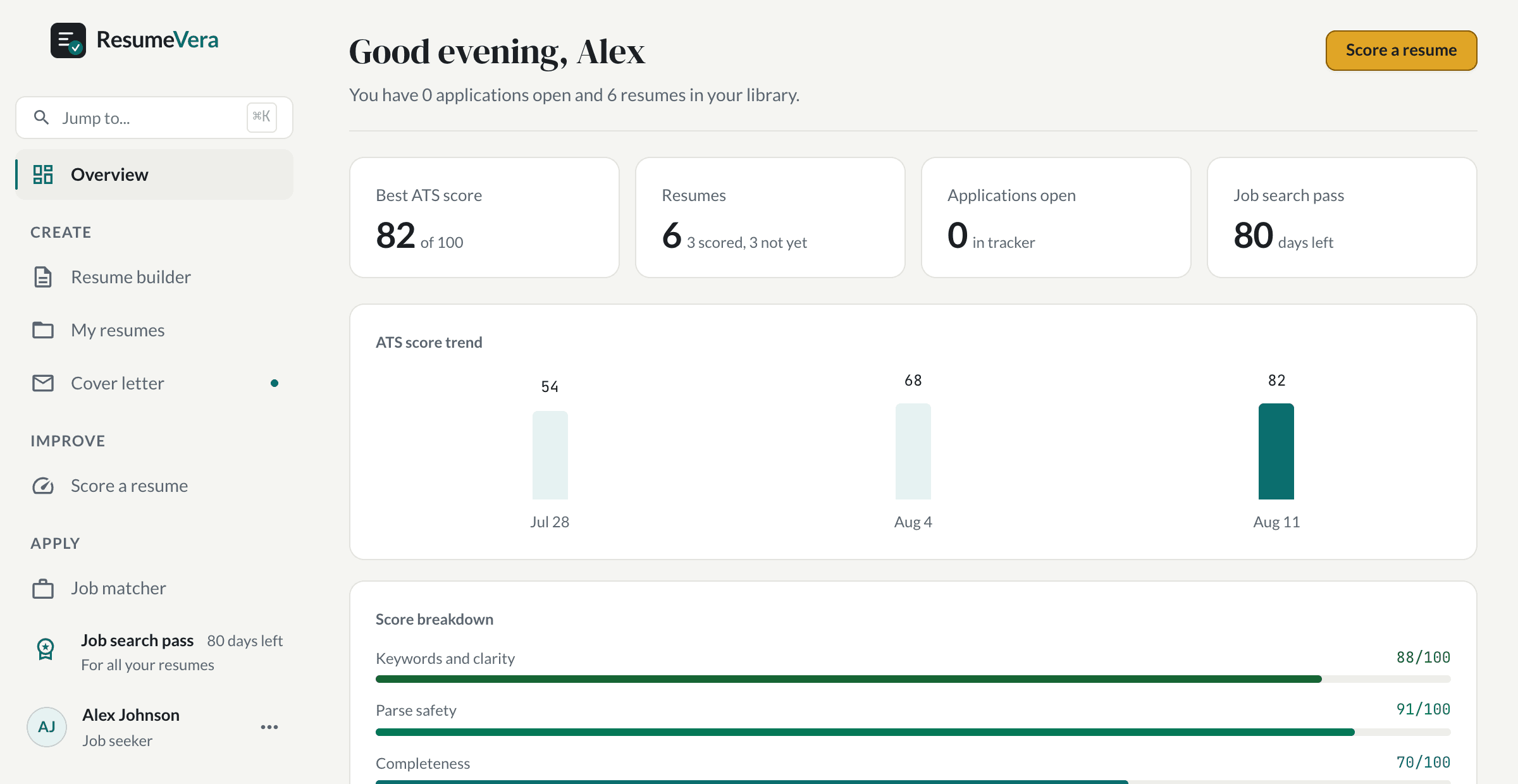
The real dashboard on a sample account, with sample scores.
Build Your Electrical Engineer Resume
Your resume is the first filter. Check it against ATS in seconds, free, no signup needed.